
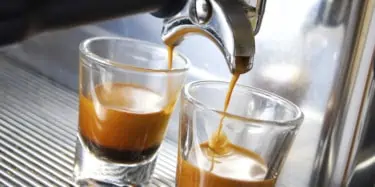
Well, special readers. The majority of the espressos reviewed this month were nominated by the roasting companies that produced them. I assume that a roaster knows what his best products are, so it also may be logical to expect these espressos to impress. Most did. Of the twenty-eight we tasted, nine scored 90 points or better. Here are reviews of some of the highest rated or most




Tasting Reports – Most Recent
Coffee Review has published more than 250 monthly coffee tasting reports since February 1997. The most recent tasting reports appear below in reverse chronological order. You may narrow your search by category from the main navigation drop-downs or by using the key word search feature that appears in the page header. The content in tasting reports and associated reviews was correct at the time of publication but may not remain accurate over time.
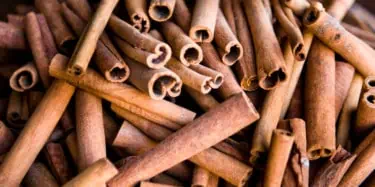
Experimenting with Tradition: Naturally Flavored Coffees
In beverages, there are added flavorings - and then there are added flavorings. On one hand are traditional, natural flavorings: anise seed in many liqueurs and spirits or jasmine flowers in jasmine tea. On the other are newer flavorings, those that have been pouring in endless invention out of the chemistry lab of pop-modernity. Most flavorings added to whole-bean coffees fall into the latter
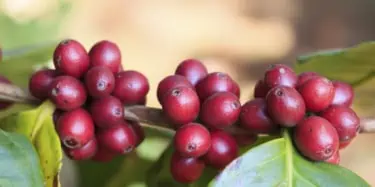
Now or Never: Special Reserve Coffees
Special seasonal offerings of small lots of exceptional coffees are a sure sign of coffee's coming of age as true specialty beverage. These coffees, often described using wine-influenced language like "Special Reserve," "Limited Edition," "Roastmaster's Reserve" and so on, represent coffee from a single crop and single place, often a single hillside, and are sold not on the basis of consistency or

Breakfast Blends 2006: An American Tradition Goes Cosmopolitan
What is a "breakfast blend"? The word and the idea come from a seemingly long-gone era in America when pancakes, diners and endless refills were the norm rather than quaintly retro exceptions. In 2006, what can American specialty coffee consumers expect from the term - and from the coffees? If the twenty-six nominal breakfast blends I sampled this month in collaboration with distinguished
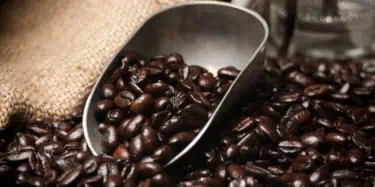
Readers’ Choices: The Lush, the Classic, the Ultra-Dark
Our annual readers' choice article often represents an unintentional though perhaps inevitable mini-survey of specialty coffee trends and countertrends. Among this month's twelve top-rated reader-nominated coffees are several that echo the latest developments in the specialty world. Two, for example, are fine examples of the latest coffee type to excite American roasters and aficionados: dry or
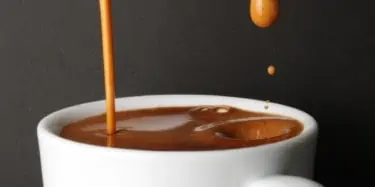
Better than Ever: Boutique Espressos
What's a boutique espresso? How about a coffee designed for espresso brewing produced by a very small roasting company for local customers ranging from neighbors to nearby cafes and kiosks. In my most rigorously Platonic version of this definition, the people doing the roasting are ex-baristas (professional espresso machine operators) who got fed up with brewing someone else's coffee and

Hawaiian Coffees 2006: Not This Year
Disappointment implies history. We can only be disappointed if past successes make us expect more good things than actually come our way in the present. Such is the case with Coffee Review's latest revisiting of Hawaiian coffees. First disappointment: A rather lackluster collection of coffees from the famous Kona growing region, with only one of the twenty-two 100% Kona samples we collected
Undervalued Beauty: The Coffees of Papua New Guinea
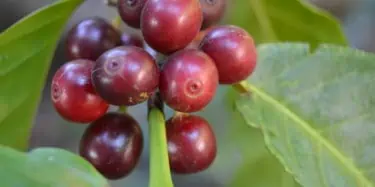
Papua New Guinea, the country that occupies half of the enormous island of New Guinea just north of Australia, is certainly one of the least known and least acknowledged of major coffee producers. Many major specialty roasting companies do not offer a Papua New Guinea coffee, and those that do tend not to feature it. But the fact that five of the thirteen Papua New Guinea coffees we turned up

Colombia Runs the Table: Twelve at Ninety
A couple of weeks ago I was leading a coffee tasting for consumers, and I fielded a typical consumer question. What about Colombian coffee? Was it the - (hesitation, visions of Juan Valdez dancing in the head) - best in the world? Before this month's cupping, I would have confidently replied: No, of course not. Colombia gives us some excellent, classic, high-grown Latin American coffees, but

Romance and Perfection: 2006 Readers’ Choices
Several exceptional coffees and some interesting subplots emerged in our annual cupping of coffees nominated by Coffee Review readers (in this case, coffees intended for non-espresso brewing methods). Readers showed their usual good taste, with none of the thirty-six coffees we cupped attracting a rating under 80, and four scoring 90 or better. Some of this month's subplots and coffee
A User’s Survey: Single-Serve Coffee Brewing Systems
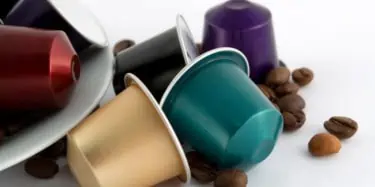
Following are detailed reviews of a selection of most of the leading single-serve coffee brewing units on the market as of December 2005. By single-serve coffee brewing units we mean devices that produce single servings of freshly brewed drip-style coffee and related beverages on demand from individual cartridges of ground coffee. Note that these devices are intended to produce individual,
Still Tastes Good: Guatemala and Chiapas
In a world fatigued and oppressed by constant new scenes of flooding and disaster, the news that Guatemala, the southern Mexican state of Chiapas and adjacent parts of Central America recently suffered catastrophic floods and landslides owing to still another hurricane ? this one named Stan ? may have slipped by many of us. But for those coffee growers whose relatives or neighbors were lost in
Not for Beginners: Prize-Winning Latin American Coffees 2005
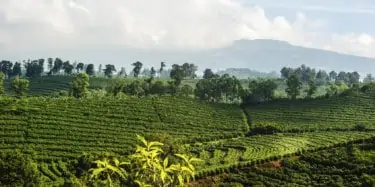
The eleven coffees reviewed this month are all prize winners from the various green coffee competitions that took place earlier this year across Central and South America. These competitions, during which a jury of international cuppers spends several well-caffeinated days slurping, spitting and obsessing over a gradually narrowing group of fine coffees from a given growing country, have become a
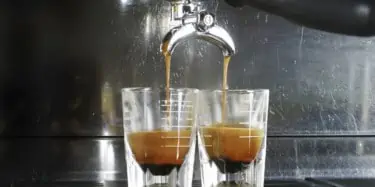
Nice Going: Readers’ Choice Espressos
Coffee Review readers appear to have good taste in espressos. Of the fifteen espressos tested for this review, all were nominated by Coffee Review readers. Of those fifteen, seven achieved scores of 90 or over, and two more hovered in the 88/89 range. This success rate is considerably higher than typically achieved when I simply collect samples based on roaster nominations plus a random sweep
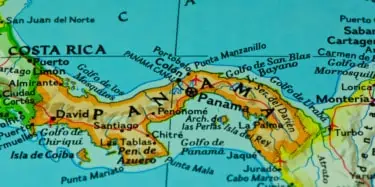
Aromatic Neighbors: Current Crop Panamas and Costa Ricas
If Costa Rica is one of the world's best-known coffee origins, Panama may be one of the more obscure. Nevertheless, these two coffee neighbors share a border, and the growing region for fine Panama coffee is centered only twenty miles or so from the Costa Rica border on the slopes of Volcan Baru. Both origins are respected for quality, although neither is known for a particularly distinctive cup,

Watch It, Seattle: Chicago-Area Coffees
Two aspects of this month's cupping of Chicago-area specialty coffees surprised: First, the relative small number of specialty coffee roasters we found serving a region so large and sophisticated; and second, the high quality of the coffees this small number of roasters produced. A colleague took a quick run through a couple of Chicago-area supermarkets and turned up almost no Chicago-area

Win Some, Lose Some: Decaffeinated Coffees
I think it's safe to say coffee professionals and their fellow fanatics are not fond of decaffeinated coffees. Yes, sneers or shoulder-slumping resignation are common around the cupping table when the decafs show up. Nevertheless, some people love coffee but can't handle caffeine, at least not at all hours and times. Look at it this way: This proves that there is more to coffee than caffeine.

The New Health Beverage: Health-Enhanced Coffees
The unusual coffees in this month's cupping are the offspring of two trends. The first is the discovery that coffee has as much right to claim membership in the surprise-it's-good-for-you club as do long-time club members green tea and red wine. The second, converging trend is the popularity of hybrid beverages that combine familiar ingredients with substances ranging from vitamins to medicinal
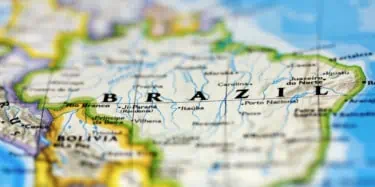
Soft and Sweet: Brazil Specialty Coffees
Brazil is a coffee country in transition. Still the world's largest producer of coffee - but now the world's second largest consumer of coffee as well. Still the home of vast patios filled with coffee fruit carelessly stripped from trees and often mildewing as it dries, but also an emerging producer of some of the world's most fastidiously prepared specialty coffees. Brazil still produces a
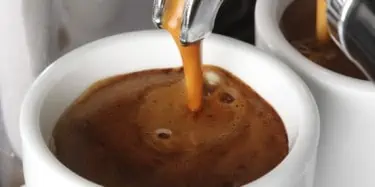
Progressive Crema: Organic and Fair-Trade Espresso Blends
Here are three things you need to understand to fully appreciate the achievement embodied in the exceptional espresso blends reviewed this month: First, the espresso brewing system produces its best results from coffees that are balanced but complex. Typically, it takes a minimum of three different coffees, often as many as five, to produce an espresso blend that is both complete enough and
